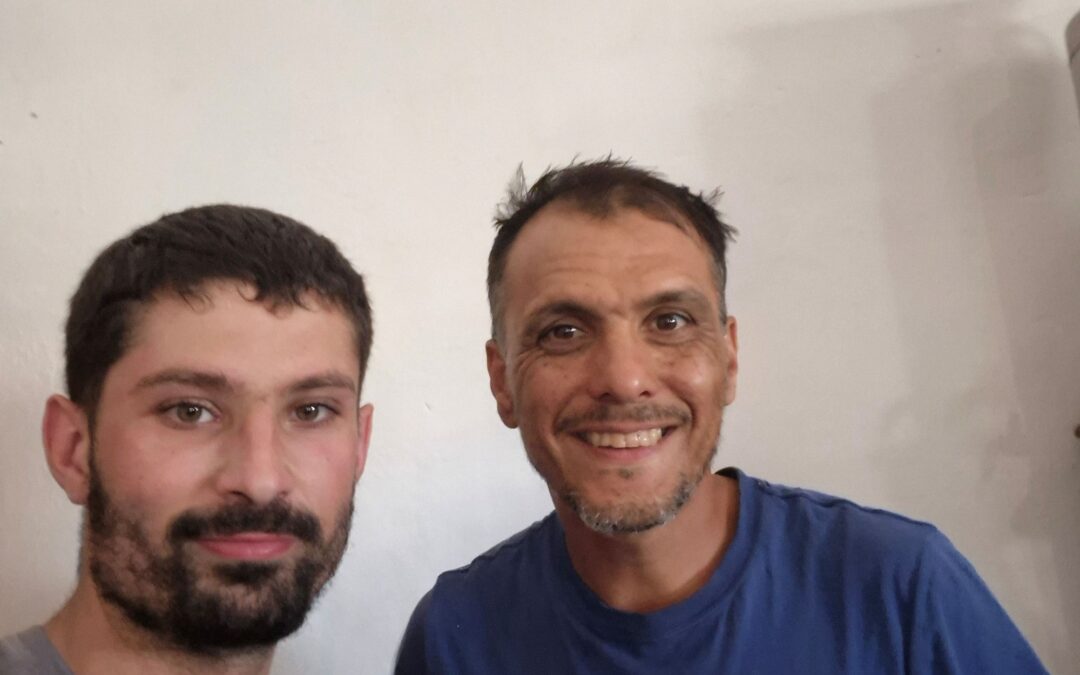
My name is Morgan, based in the Dordogne region of France. My background is unconventional and international: I trained in pastry and cooking in France, then went to work in Nepal in 2013-2014 to help set up a French bakery-pastry business, and later worked in vanilla farming in Dominica. This taste for hands-on, internationally-oriented projects has stayed with me since childhood — I accompanied my parents on humanitarian missions as a kid, first to Nepal, then to Morocco.
Today, I carry a strong passion for low-carbon solutions and the circular economy, particularly around biochar: an interest born from my fieldwork experiences, which I’m now developing into a genuine entrepreneurial project, with connections to Morocco and Nepal around carbon financing. I’m also the solo founder of a web platform, which gave me my first hands-on experience building and running an entrepreneurial project from the ground up.
My interests today center mainly around low-carbon technologies applied to agriculture, and more broadly around environmentally-driven entrepreneurship.
Why EYE
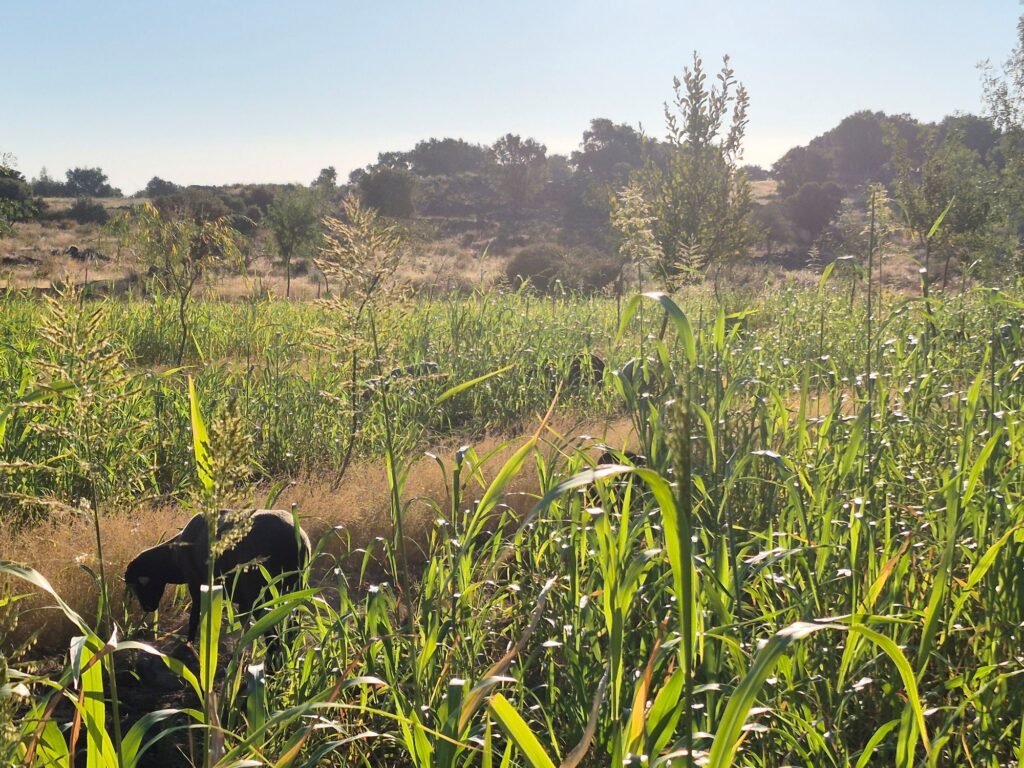
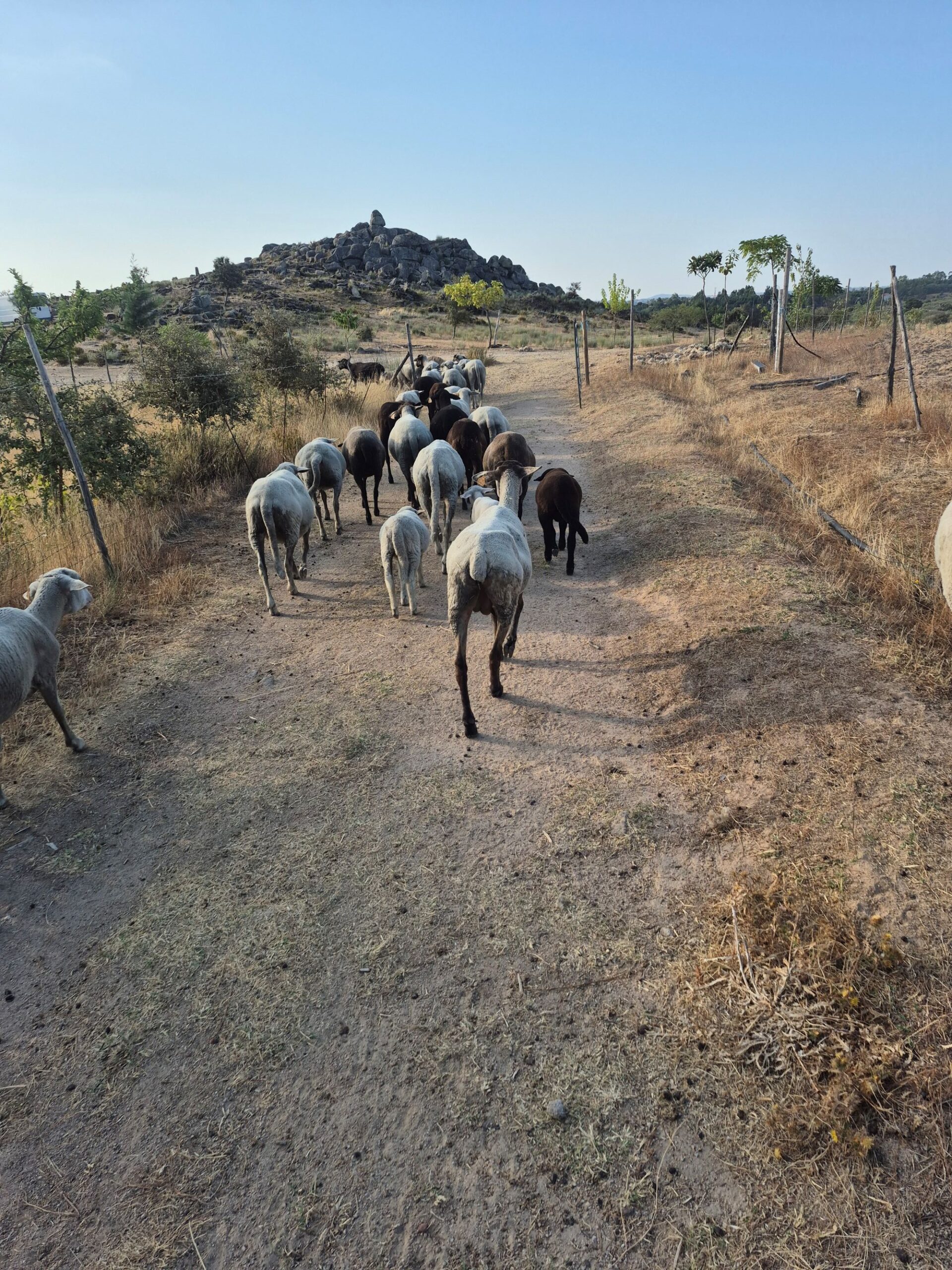
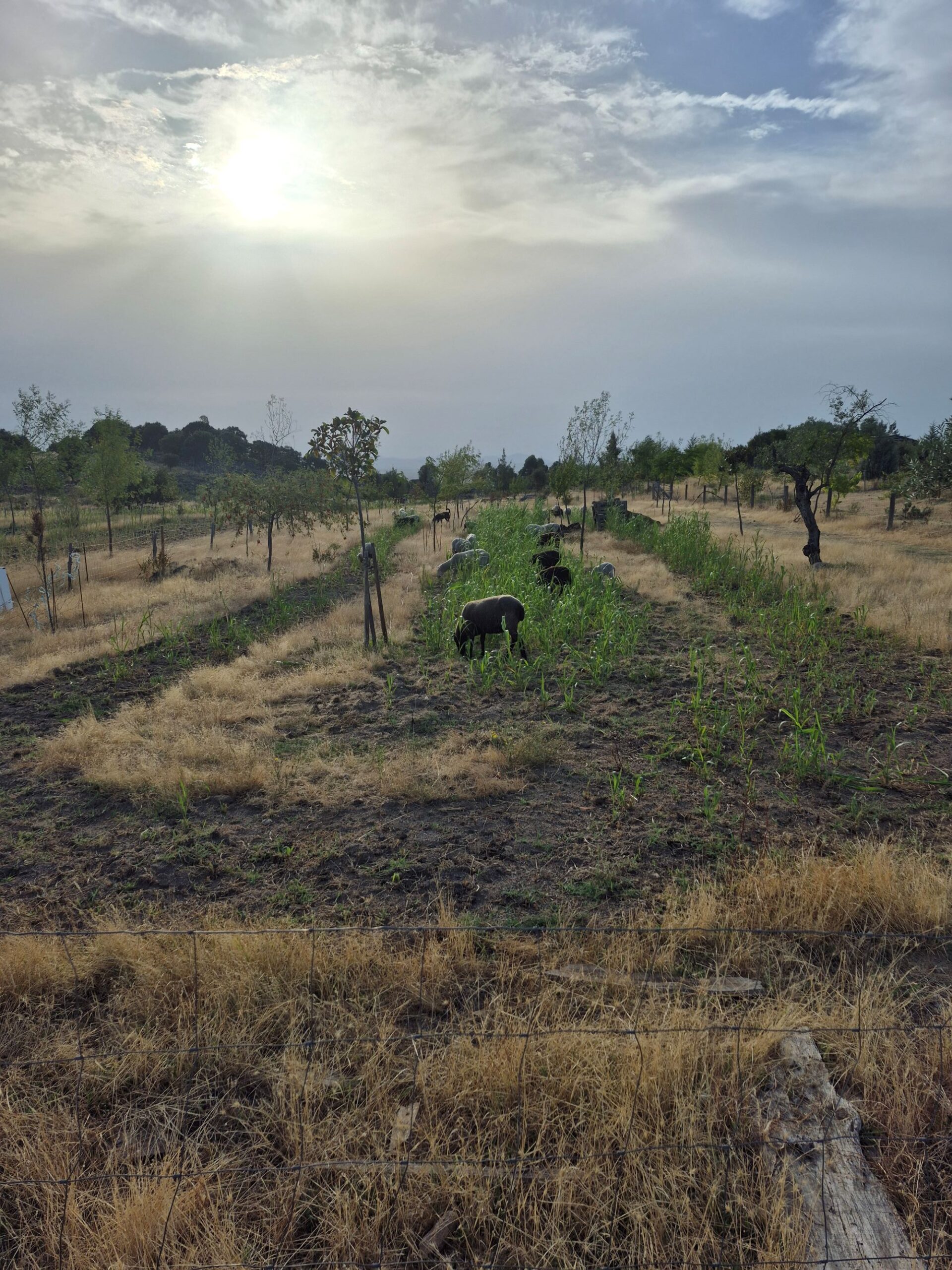
I decided to take part in EYE primarily to give a concrete framework to my biochar project: building a viable business model from agricultural biomass, combined with natural hemp-based construction techniques. This project, which I had been developing in theory for a while (with links to Morocco and Nepal around carbon financing), needed a real testing ground and structured entrepreneurial support to move from idea to execution. The EYE programme, with its host-entrepreneur mentorship framework, seemed like the ideal opportunity to test my business model on the ground, in a real agricultural setting (Keela permaculture farm), rather than staying at the theoretical stage.
Contribution to my personal and professional growth
Professionally, this experience lets me put my biochar project to the test against the operational realities of a working farm: biomass availability, logistical constraints, acceptance from farm operators, all things I could only validate under real conditions. It also pushes me to structure my business plan with the rigor that formal entrepreneurial mentorship demands, and to connect this project with my other development tracks (Morocco, Nepal) as part of a replicable model.
On a personal level, living and working within a farming community abroad strengthens my adaptability and my understanding of on-the-ground realities, a skill that’s essential for a project ultimately meant to be deployed across different agricultural and cultural contexts.