The first half of my exchange under the Erasmus for Young Entrepreneurs program was a highly rewarding period, both professionally and personally. This experience gave me a better understanding of the scouting and analysis landscape in professional football while allowing me to gradually develop a more concrete vision for my future entrepreneurial venture.
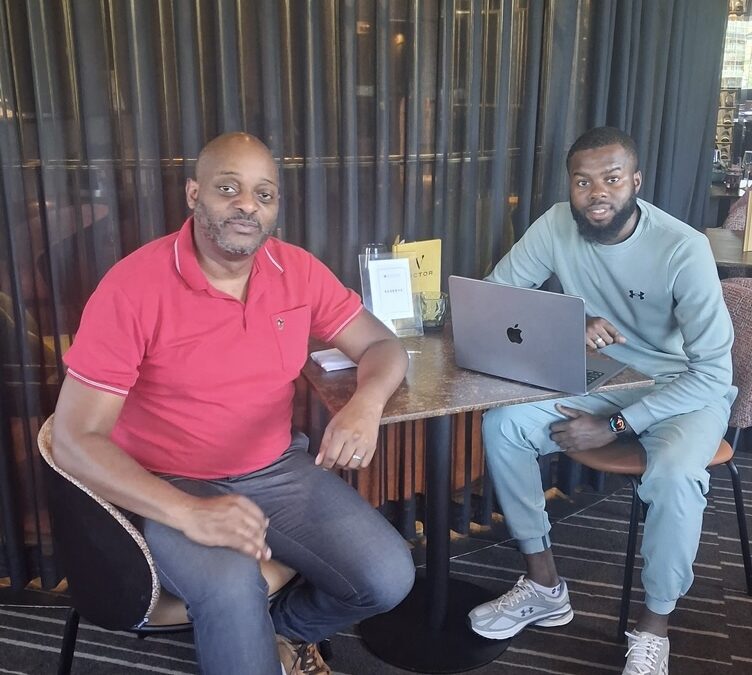
My collaboration with Jim Totime and Empire Scouting Network / Brandsen Sports enabled me to discover new working methods and deepen my skills in player analysis and profiling. A key objective of this initial phase was to immerse myself in ESN’s operations—specifically the Field Global Analysis (FGA) methodology, the player profiling process, video analysis, and the commercial aspects of the services offered. The program also entailed my gradual involvement in real-world projects and increasing autonomy as the exchange progressed.
From a technical standpoint, the experience taught me how to structure a professional player analysis. In particular, I gained a deeper understanding of the importance of cross-referencing multiple information sources: statistical data, video observation, the player’s performance context, and the specific needs of the club, agent, or client. This approach helps me move beyond mere performance analysis to consider the suitability of a player’s profile within a specific context.
I have also improved how I organize my work and produce more structured analyses. The initial plan included immersion in the FGA system, contributing to player profiling projects across various leagues, and integrating tools such as Wyscout, HUDL Sportscode, and Once Sport into the analysis process. Exposure to these diverse methods and tools has helped me better understand the standards expected in a professional environment.
Another key takeaway relates to the entrepreneurial side of the business. Before this exchange, my focus was primarily on the quality of the sports analysis itself. This first half of the program has given me a deeper understanding of how technical expertise must be paired with a sound commercial strategy. It is essential to be able to identify client needs, clearly articulate the value of one’s work, structure a service offering, define a market position, and build a professional network.
This aspect aligns directly with the goals set at the start of the exchange: understanding how an analytics product can be positioned, priced, and sold to clubs and agents; building a prospecting process; developing basic financial knowledge; and strengthening my network across the French, Dutch, and West African markets.
One of the main challenges so far has been striking the right balance between technical learning, actual output, and developing my own entrepreneurial project. Transitioning gradually from an immersion phase to a more autonomous one also requires adjustment; it is no longer just about learning the methods used by the host entrepreneur, but about applying them independently and determining which ones can be integrated into my own business.
The work plan specifically provides for the exchange to shift towards greater autonomy following the initial immersion period in The Hague, incorporating activities such as advanced profiling, collaborative analysis, business development, content creation, and opportunity generation within the French and West African markets.
Overall, I believe the program’s objectives are being met. I have noted progress in my technical skills, but—more importantly—in my understanding of how these skills can be translated into a structured professional practice. This aspect is crucial for my long-term goal: to be able to offer my own analysis and scouting services independently.